
For many people, financial stress is no longer just an occasional worry. It has become a constant mental burden. Between rising everyday costs, high-interest debt, unexpected expenses, and the pressure to “keep up,” even financially responsible individuals can begin to feel emotionally drained by managing their money. This growing sense of exhaustion has a name: […]
Continue ReadingCategory: Dealing with Debt
Is There Really Such A Thing As Good Debt And Bad Debt?
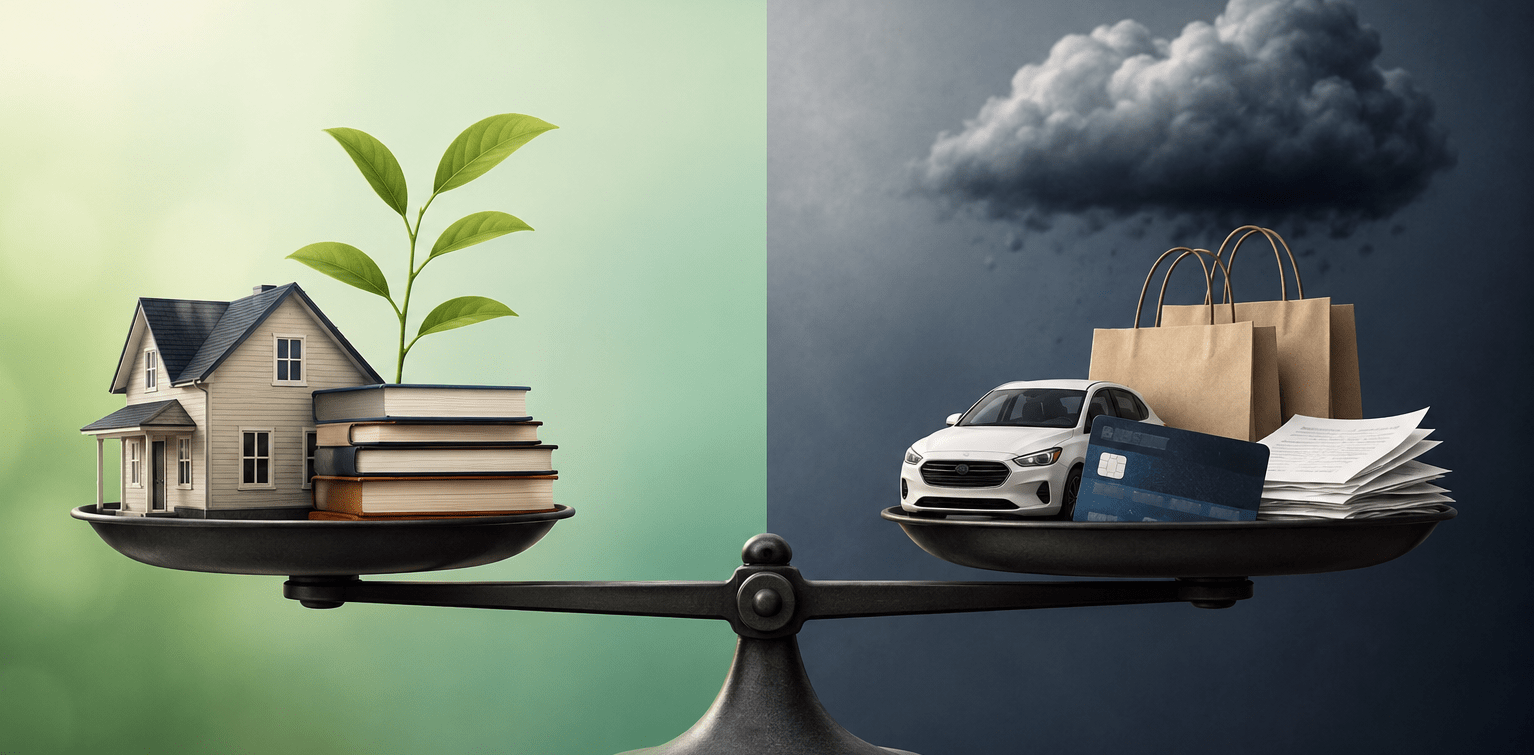
If you have ever wondered if “good” debt is real, then you do not need to keep wondering because it most certainly is. Besides debt being considered a bad thing, there are quite a few circumstances where it is a good thing. Below, we’ll go over good debt and bad debt and explain how good […]
Continue ReadingHow to Talk About Debt with Your Partner or Spouse

Money is one of the most common sources of stress in relationships, and debt can make those conversations even more difficult. Whether it’s credit card balances, student loans, medical debt, or past financial mistakes, talking about debt with a partner or spouse can feel uncomfortable, emotional, or even a bit scary. But avoiding the conversation […]
Continue ReadingSaving vs. Paying Off Debt: What Should You Prioritize First

At Advantage Credit Counseling Service, one of the most common questions we hear from our clients or potential clients is: “Should I be saving money, or should I focus on paying off my debt first?” It’s an understandable concern. When money is already stretched thin, trying to do both can feel impossible. The truth is, […]
Continue ReadingDebt Fatigue Is Real: How To Stay Motivated When Progress Feels Slow

Paying off debt is often described as a financial journey—but what many people don’t talk about is how emotionally exhausting that journey can be. If you’ve been making payments month after month and still feel like you’re barely moving forward, you may be experiencing debt fatigue. Debt fatigue is real, common, and completely understandable. Moreover, […]
Continue ReadingFinancial Reset After The Holidays: How To Recover From Holiday Debt

The holidays are meant to be a time of joy, connection, and celebration—but for many people, January arrives with something far less festive: credit card balances, financial stress, and lingering debt from holiday spending. If you’re feeling overwhelmed, you’re not alone. Holiday debt is extremely common, and the good news is that it’s also manageable […]
Continue ReadingWhat Happens To Debt When Someone Passes Away: A Guide For Family Members

When a loved one passes away, there is no shortage of emotions and responsibilities to manage. Along with grief, family members often face the practical concerns of handling the deceased’s estate. One of the most pressing matters is what happens to the debt that the person leaves behind. Debt can be a complicated issue after […]
Continue ReadingDebt Management Programs vs. Debt Settlement: What’s The Difference?
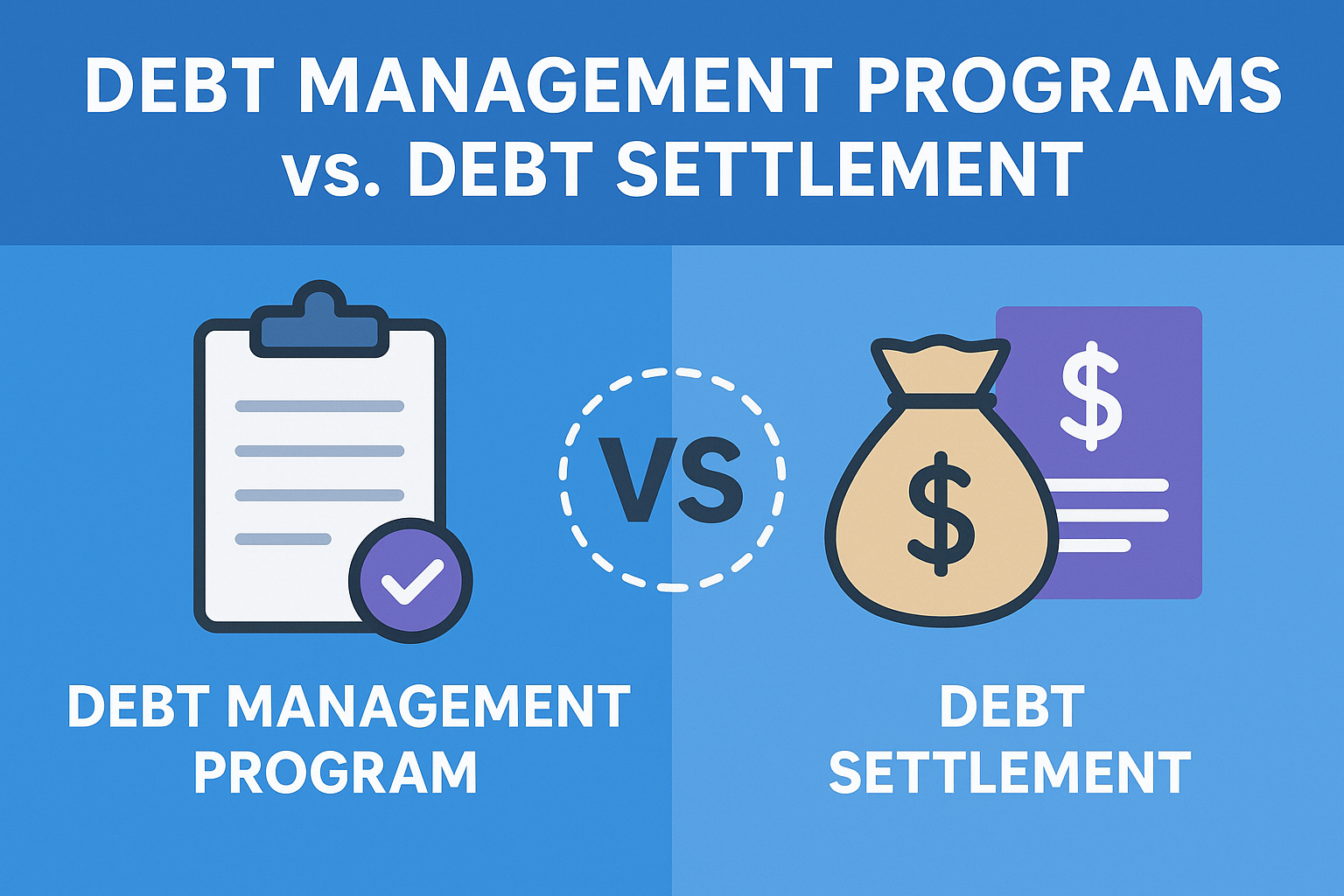
If you’ve been struggling with credit card bills, loan payments, and mounting interest, you’ve probably searched for solutions online. Two common terms that often pop up are Debt Management Programs (DMPs) and Debt Settlement. At first glance, they might sound similar—both aim to reduce your debt burden—but they operate in very different ways and have […]
Continue ReadingWhy A Debt Management Program Is A Smart And Safe Choice For Debt Relief
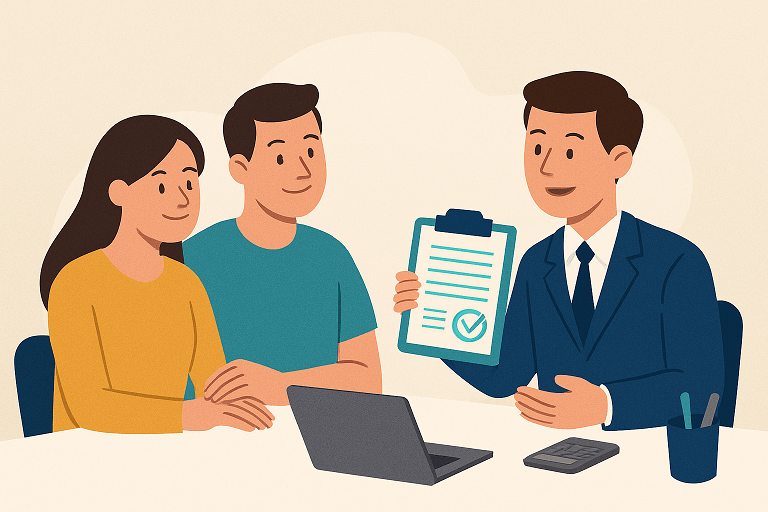
When you’re feeling overwhelmed by debt, it’s easy to get discouraged or confused by the number of debt relief options available. Debt settlement ads promise to slash what you owe. Debt consolidation loans offer a single payment. Bankruptcy sounds like a clean slate. However, not all solutions are created equal—some can leave lasting damage to […]
Continue ReadingHow Consumers Can Use AI To Save Money And Get Out Of Debt

Artificial Intelligence (AI) is no longer just a buzzword for techies and large corporations. It’s rapidly becoming part of everyday life—from helping you write emails to powering your smart home devices. However, did you know AI can also help you take control of your personal finances? If you’re looking for ways to save money, manage […]
Continue Reading